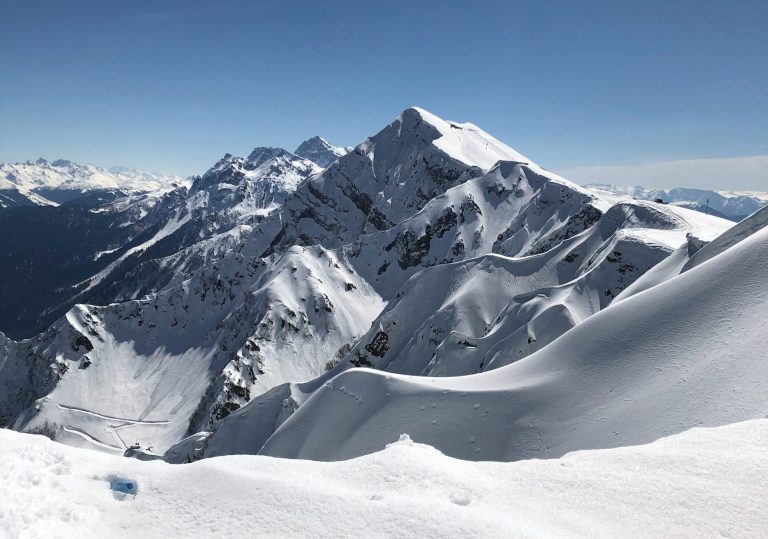
Lobuche Peak: A Technical Himalayan Challenge in the Everest Region
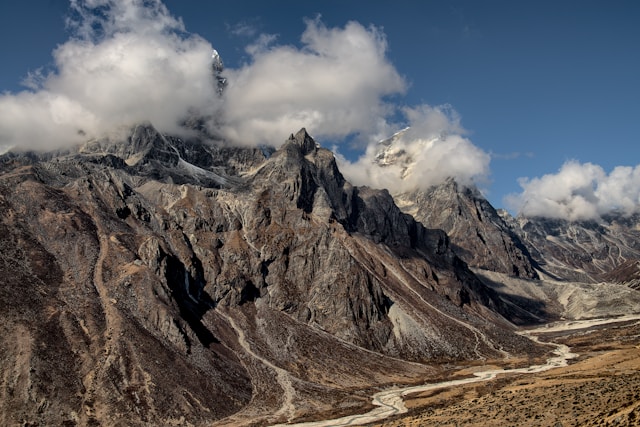
Lobuche Peak (6,119 m) is one of Nepal’s most challenging and rewarding trekking peaks, located near Everest Base Camp in the Khumbu region. Known for its steep ridges and technical sections, Lobuche Peak is ideal for climbers seeking a serious alpine experience with spectacular views of Everest, Lhotse, Nuptse, Ama Dablam, and Pumori. This climb is best suited for experienced trekkers with basic mountaineering knowledge.
Mardi Himal Trek 8 Days
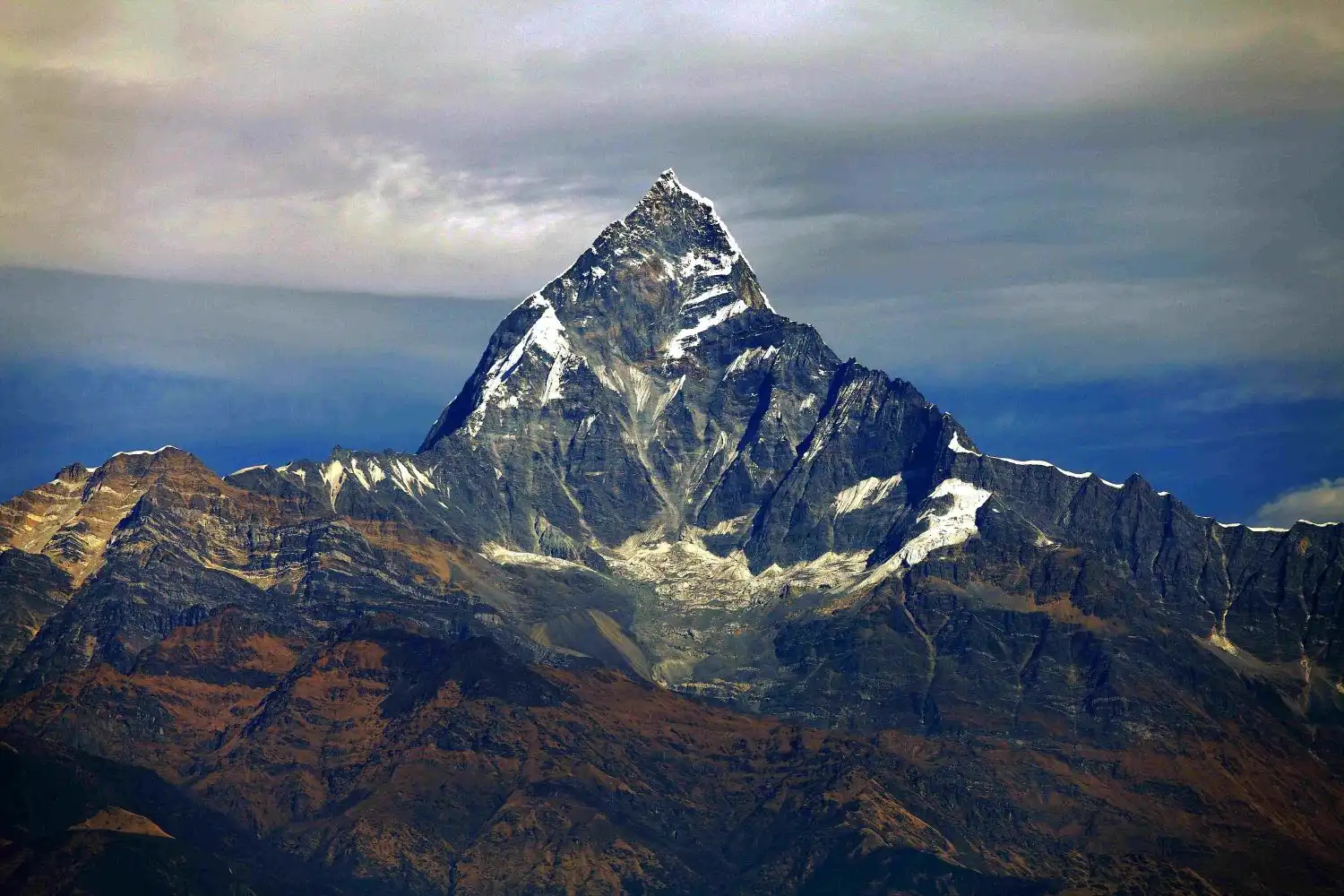
The Mardi Himal Trek is a short yet rewarding Himalayan adventure, ideal for travelers seeking breathtaking mountain scenery within limited time. This hidden gem takes you into the quieter side of the Annapurna region, offering dramatic landscapes, pristine trails, and authentic cultural encounters.Perfect for trekkers with non-extendable holidays, this 8-day journey leads you beneath the iconic Machhapuchhre (Fishtail) and east of Annapurna Base Camp. Though the Mardi Himal peak rises to 5,587 m, the trek reaches a comfortable high point at Mardi Himal Base Camp (4,350 m)—making it achievable while still adventurous.Officially opened in 2012, the trail remains less crowded and rich in biodiversity. Along the way, you pass through charming villages and meet warm local communities, predominantly Gurung, alongside Brahmin, Chhetri, Tamang, and Thakali cultures. The trek offers a genuine glimpse into Nepal’s mountain lifestyle, traditions, and hospitality.The journey begins in Pokhara with a scenic drive to Phedi, followed by a gradual ascent through stone-paved villages, terraced farmlands, and lush forests of oak, maple, and blooming rhododendron. As you climb higher toward Forest Camp and High Camp, the views become increasingly dramatic. Sunrise and sunset from High Camp are unforgettable highlights.
Lobuche Peak Climbing with EBC & Kala Patthar
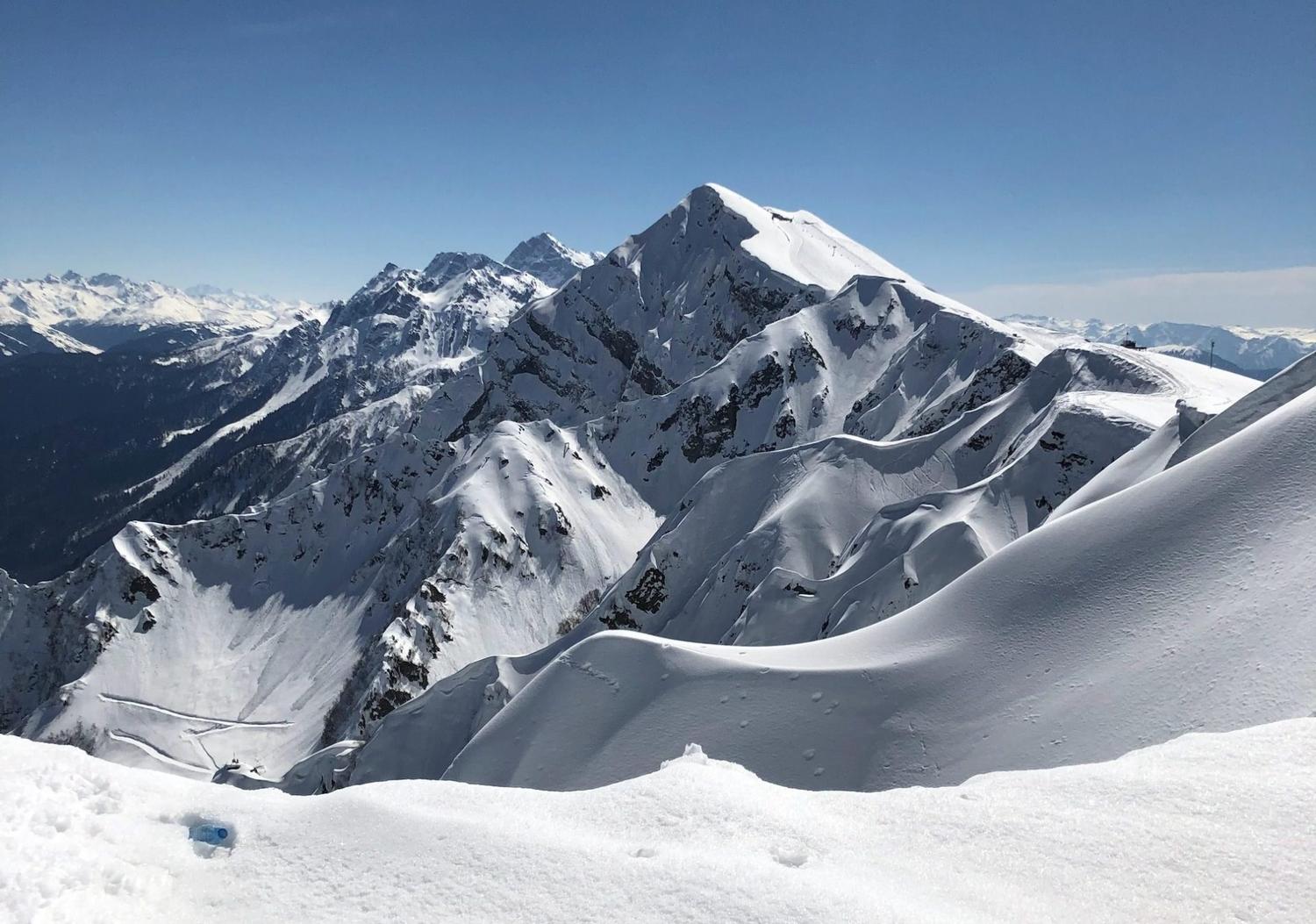
A Technical Himalayan Adventure Lobuche East Peak Climbing stands out as one of the most rewarding trekking-peak experiences in Nepal’s Khumbu region. Carefully crafted by Equator Expeditions, this journey blends the classic Everest Base Camp trek with a technical summit climb and iconic viewpoints like Kala Patthar.
Rising to 6,119 meters, Lobuche East delivers serious adventure and world-class scenery. The climb is moderately technical, best suited for climbers with prior rock and ice experience. Compared to Island Peak, Lobuche East demands stronger technical skills—making the summit even more satisfying for prepared mountaineers.
Why Choose Lobuche East with Equator Expeditions
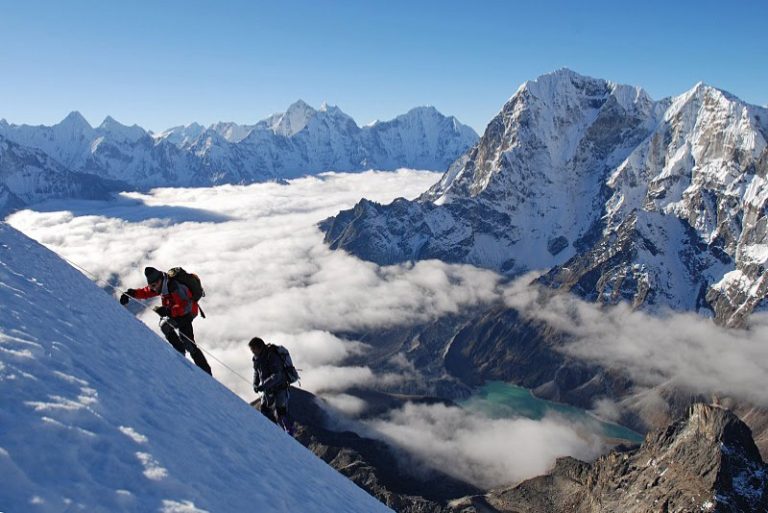
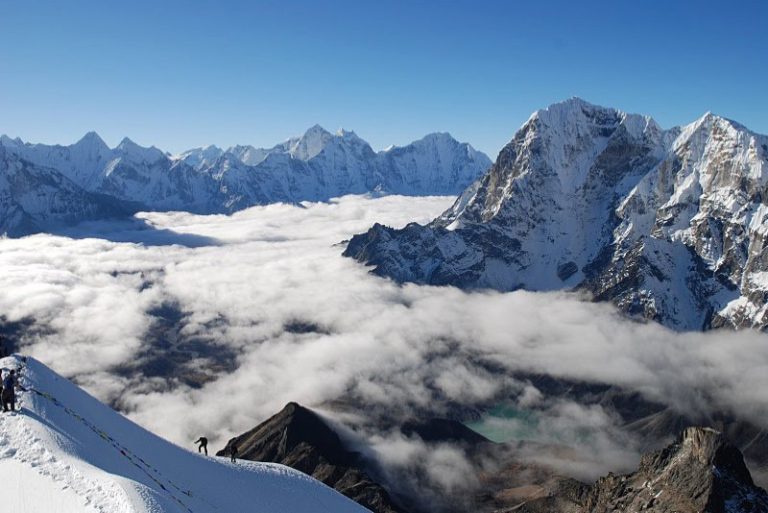
- Technical climbing challenge with fixed ropes on snow slopes and rocky ridges
- Classic Khumbu trekking through forests, villages, and dramatic moraine trails
- Smart acclimatization at key points like Namche Bazaar and Dingboche
- Early-morning summit push for stable weather and unforgettable Himalayan sunrises
- Expert leadership and safety standards aligned with the Nepal Mountaineering Association (Lobuche East is classified as a Group “B” trekking peak)
The Journey
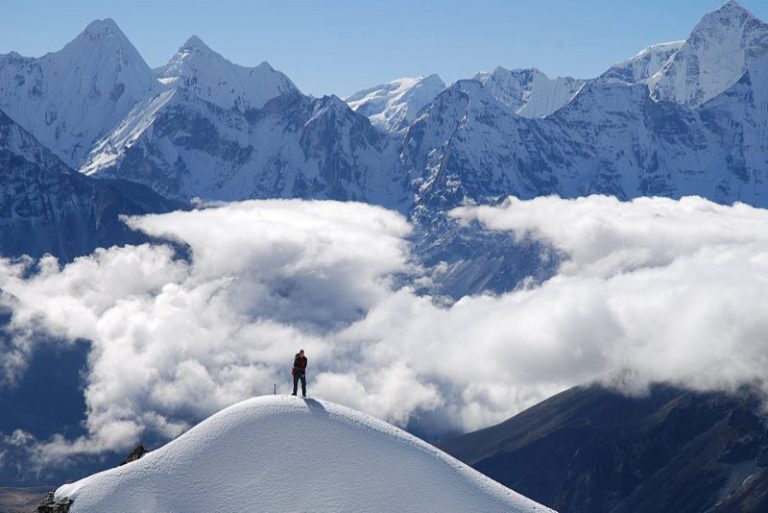
The round trip begins with a scenic flight to Lukla, followed by days of trekking across the Khumbu’s diverse landscapes. Proper acclimatization is built in before reaching base camp. Summit day involves a steep ascent over snow and rock, typically starting before dawn to maximize safety and views. Reaching the top of Lobuche East is a proud achievement—one that rewards climbers with sweeping vistas of the highest mountains on Earth.
Mountains Seen from the Summit
- Mount Everest — 8,848.86 m
- Lhotse — 8,516 m
- Nuptse — 7,861 m
- Ama Dablam — 6,812 m
- Pumori — 7,161 m
Climb higher. Go technical. Experience the Himalaya with confidence—only with Equator Expeditions.
Introduction to Lobuche Peak Climbing Lobuche East Peak, standing at 6,119 meters (20,075 feet), offers a thrilling blend of trekking and mountaineering in Nepal’s iconic Everest region.