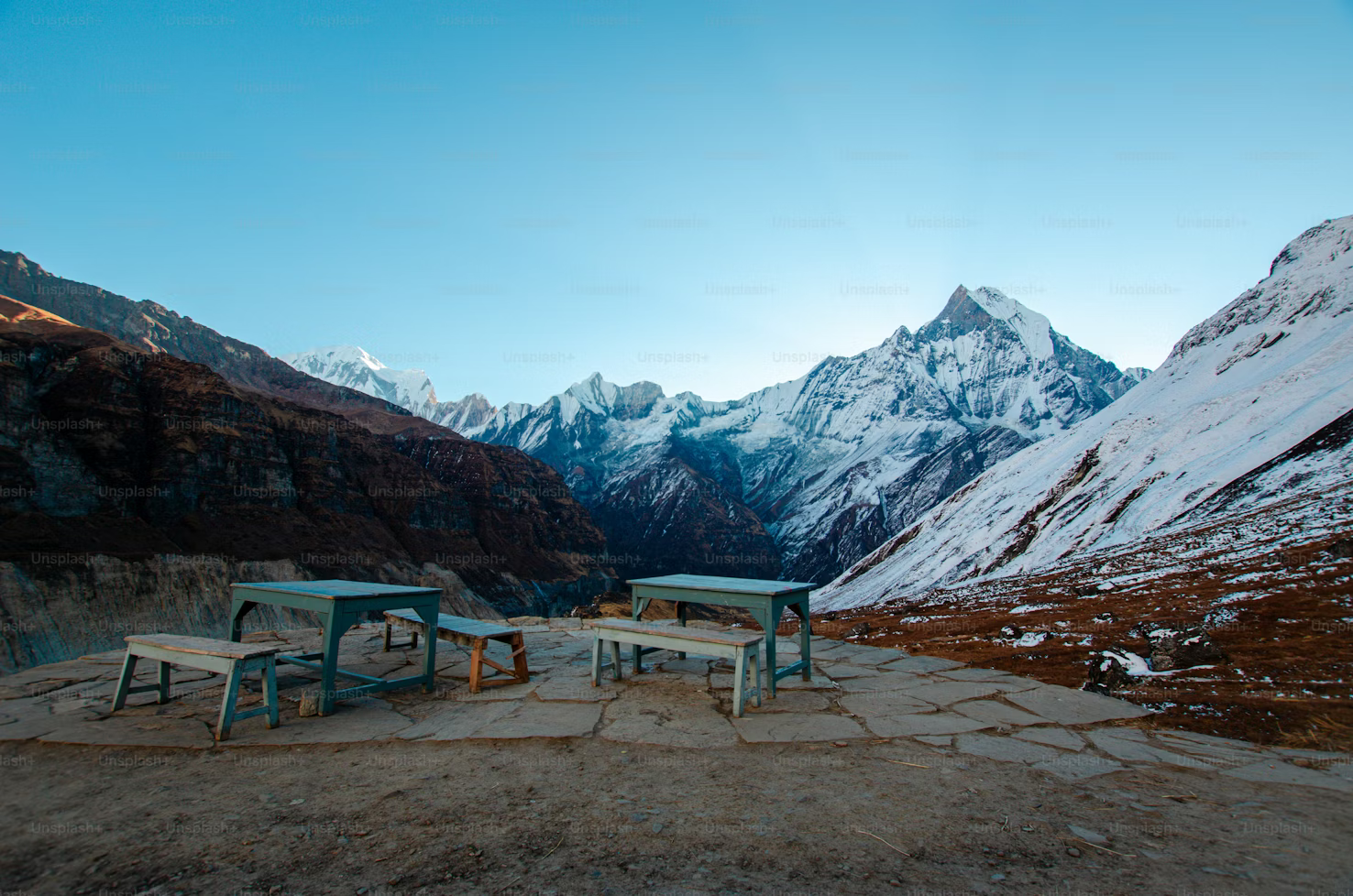
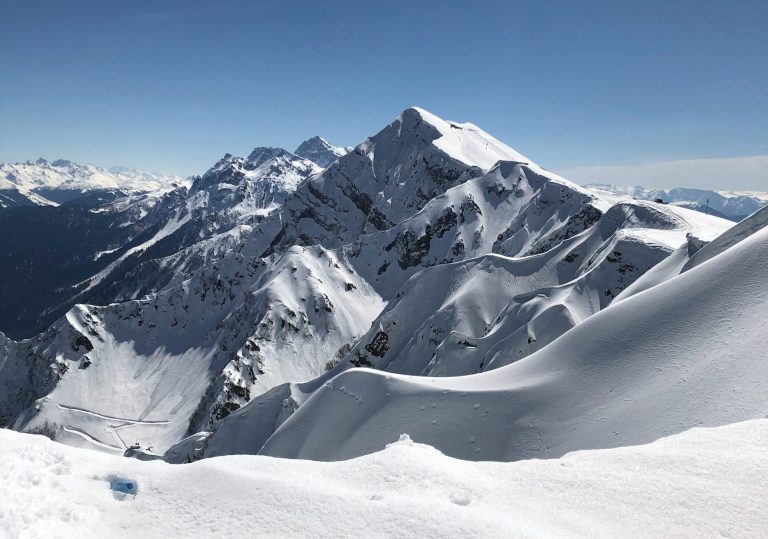
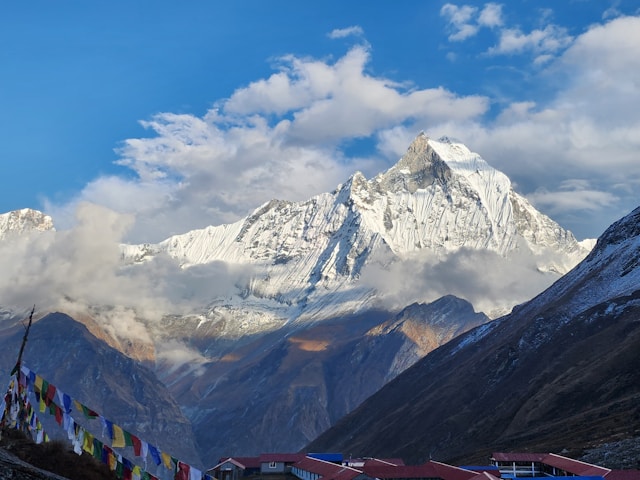
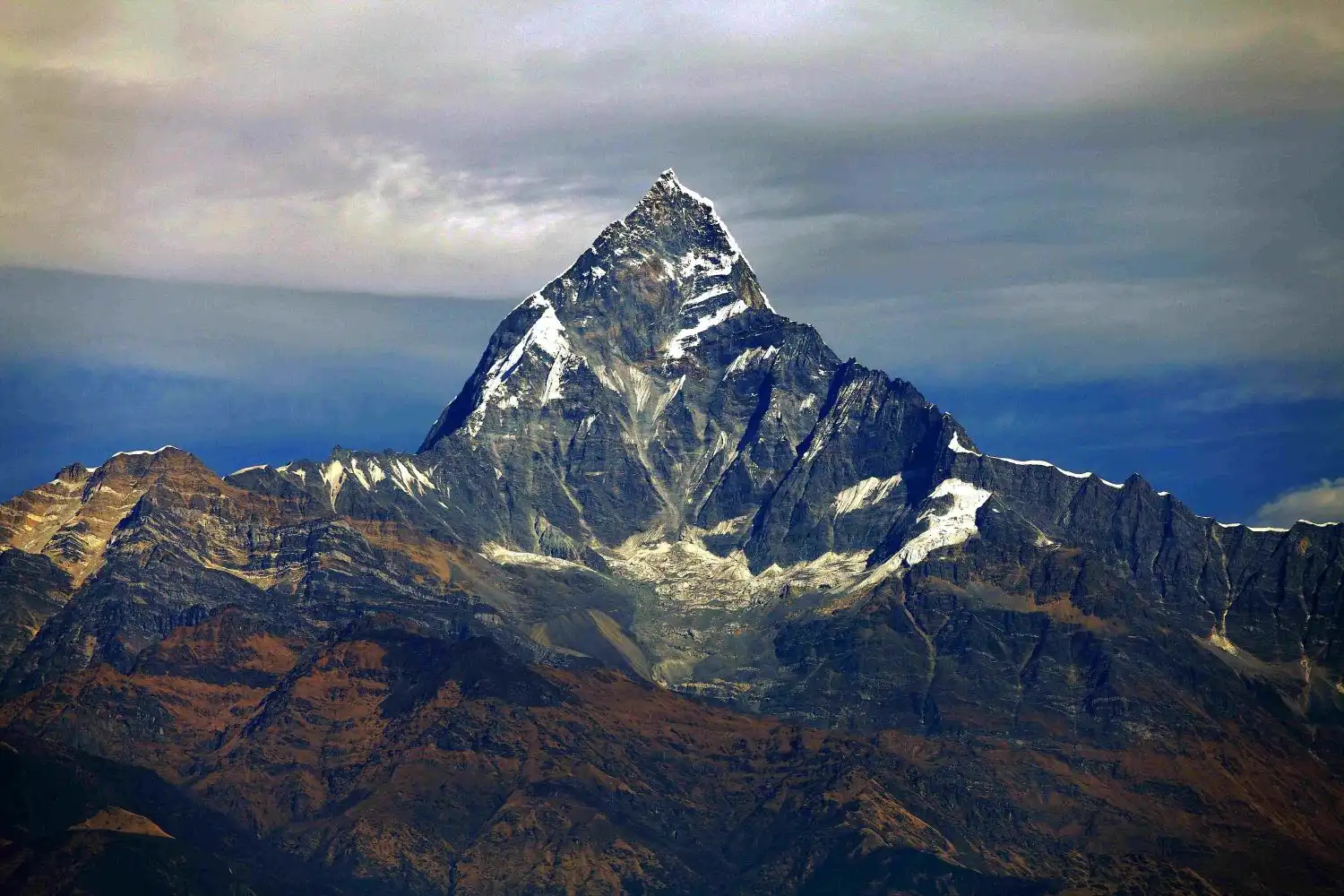
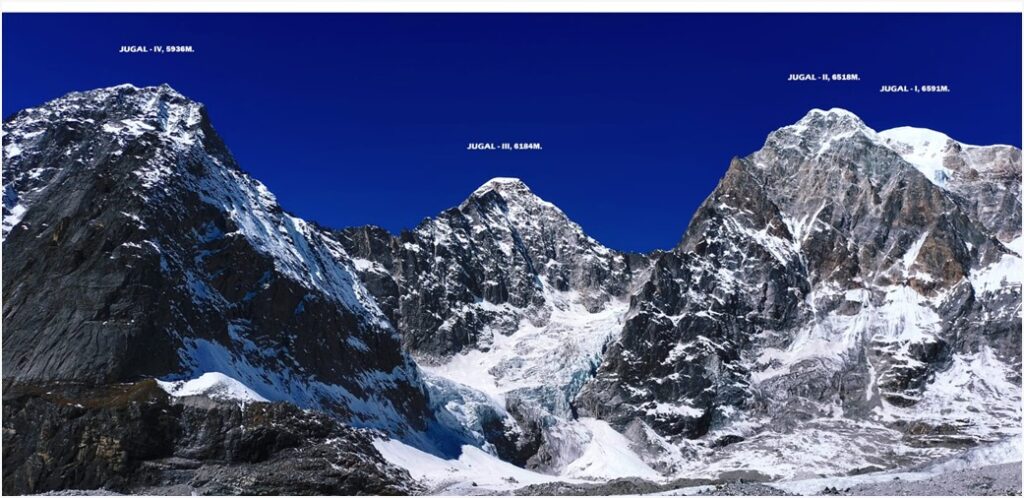
From a single Base Camp in the Jugal Range, climbers can access severalsurrounding peaks, each requiring its own high camp. The mountains arelocated close to one another, allowing multiple summit attempts within thesame expedition. This makes the area efficient, adventurous, and ideal forclimbing different peaks from one central base.Several peaks remain unclimbed:Jugal II (6,518 m),Jugal III (6,184 m)Jugal IV (5,936 m).Easiest peak: Jugal IV (5,922 m).
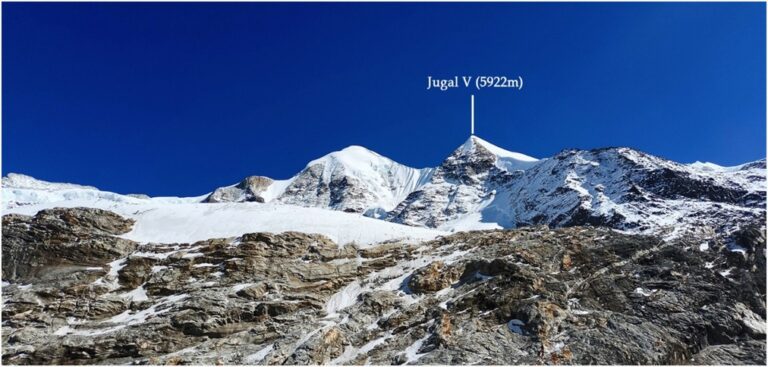
JUGAL V (5922M)
Trek to High Camp (5200M)
Ascent: 400 M
Descent: 40 M
Time: 3 hours trekking
Distance: 2 KM
From Basecamp there is an easy route, and you have to walk along a rocky path.
Summit and Return to Basecamp
Accommodation: Camping
Ascent: 722 M
Descent: 1222 M
Time: 5–6 hours climbing and 3 hours descent
Distance: 4 KM
This is the easiest peak, with no overhangs, no icefalls, and no crevasses.
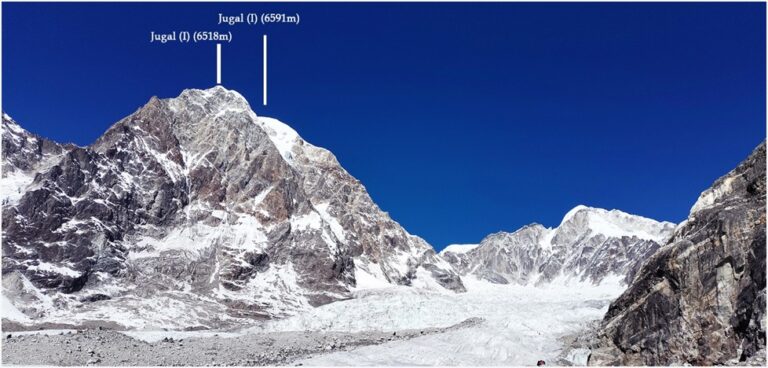
JUGAL I (6591M) AND II (6518M)
Trip Overview
Trip Grade: Difficult and Technical
Record: Jugal II Unclimbed
Climbing Route: East Face
Trek to High Camp (5200M)
Ascent: 400 M
Descent: 0 M
Time: 4 hours trekking
Distance: 2 KM
From Base Camp, an easy route leads through the Jugal Glacier.
Summit and Return to Basecamp
Accommodation: Camping
Ascent: 722 M
Descent: 1222 M
Time: 5–6 hours climbing and 3 hours descent
Distance: 4 KM
Summit (6–7 hours one way) back to High Camp. It is recommended to summit before 10 AM to enjoy a clear 360° view of the Jugal Range.
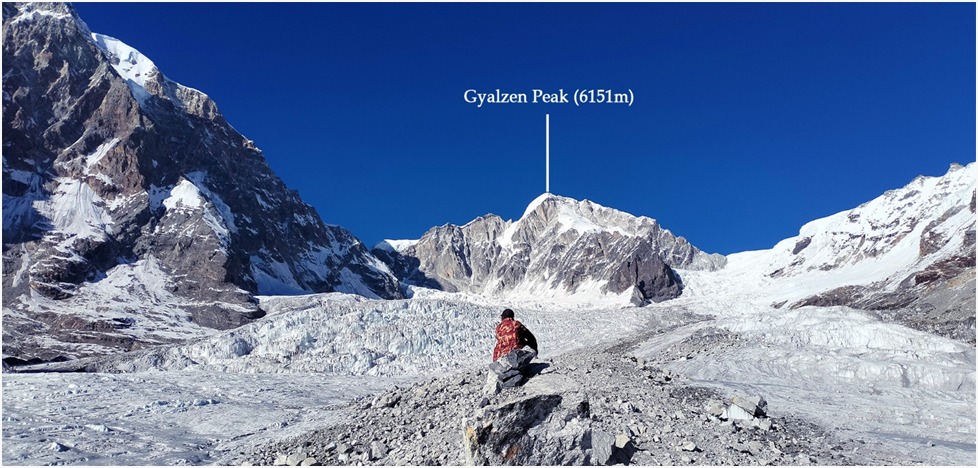
GYALZEN PEAK (6151M.)
Trek to High Camp (5200M)
Accommodation: Camping
Ascent: 400 M
Descent: 0 M
Time: 4 hours trekking
Distance: 2.5 KM
From Basecamp, there is an easy route, and you walk through the Jugal Glacier.
Summit and Return to Basecamp
Ascent: 722 M
Descent: 1222 M
Time: 5–6 hours climbing and 3 hours descent
Distance: 4 KM
JUGAL III(6184M.)
Trip Overview
Trip Grade: Technical
Record: Unclimbed
Climbing Route: East Face
Trek to High Camp (5300M)
Ascent: 400 M
Descent: 0 M
Time: 4 hours trekking
Distance: 2 KM
From Base Camp, an easy route leads through the Jugal Glacier.
Summit and Return to Basecamp
Ascent: 884 M
Descent: 1250 M
Time: 6–7 hours climbing and 3 hours descent
Distance: 4 KM
JUGAL IV(5936M.)
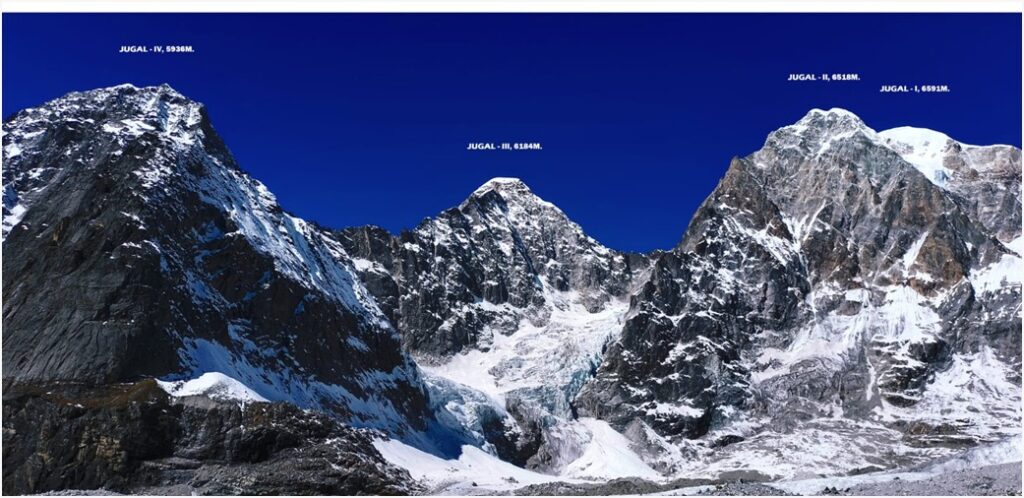
Trip Overview
Trip Grade: Technical
Record: Unclimbed
Climbing Route: East Face
Trek to High Camp (5200M)
Ascent: 400 M
Descent: 0 M
Time: 4 hours trekking
Distance: 2 KM
For All Our Trekking and Climbing Cost Includes
-
Transportation: Private vehicle for pick-up and drop-off.
-
Accommodation in Kathmandu: 3-star hotel stay.
-
Permits: Climbing permit, National Park permit & Local Government permit.
-
Flights: Round-trip flight (Kathmandu–Lukla or Pokhara if Annapurna).
-
Meals during Trek: All meals, hot & cold drinks, GALA dinner in Kathmandu.
-
Trekking Accommodation during the trek.
-
Guides & Porters: Experienced trekking & climbing guide.
-
Camping at Base Camp: All camping/kitchen & climbing equipment.
-
Insurance for guides and porters.
-
Airport tax (domestic flights).
-
All government taxes & service charges.
For All Our Trekking and Climbing Cost Excludes
-
Trekking Equipment (personal gear).
-
Personal travel & trekking insurance.
-
Meals in Kathmandu.
-
Emergency rescue evacuation costs.
-
Personal expenses (drinks, snacks, shopping).
-
Gratuities / Tips for guides & porters.